Requirement Review
Review the order scope, drawings, product versions and quality requirements before production.

Temporary edge protection for formwork decks, slab edges and other open sides during concrete construction.
APAC provides complete systems for H20 timber beams, aluminium beams and other formwork structures. The fixing method can be selected according to the beam type, beam size and formwork layout.
The fixing method depends mainly on the formwork system being used.
A timber beam and an aluminium beam do not always need the same clamp, but the main barrier and post system can often remain the same.
Here are some common system examples.
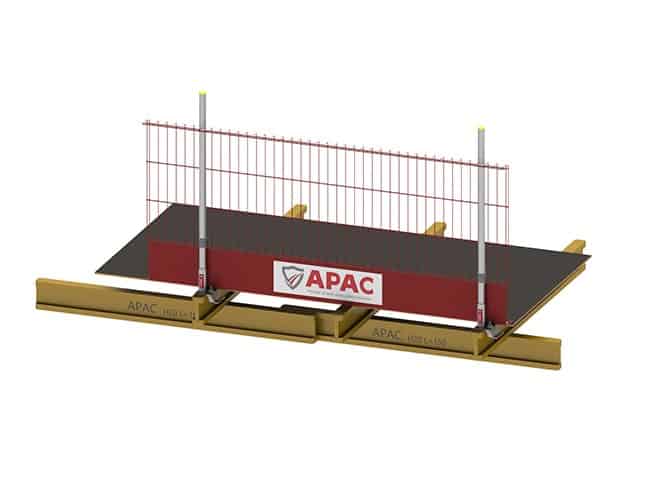
You can easily mount the H20 Timber Beam Clamp to the top surface of the H20 Beam and quickly lock it by tightening the integrated screw nut by hand.

The APAC adjustable aluminum beam clamp is compatible with a wide range of formwork platform and is suitable for beam sizes from 60 mm to 150 mm in width.
APAC temporary edge protection systems are available in a range of sizes, materials, finishes and configurations. Different barriers, posts and attachments can be combined according to the structure, installation method and project requirements.
| Item | Specification |
|---|---|
| Product Name | Temporary Edge Protection System |
| Main Components | Mesh Barriers, Safety Posts, Clamps, Bases, Brackets and Accessories |
| Material | Steel / Aluminium, depending on component |
| System Type | Temporary Edge Protection |
| Application | Concrete, Steel, Formwork, Excavation, Deck and Other Edge Protection Applications |
| Fixing Method | Clamp-on / Bolt-down / Socket / Beam-mounted / Other Project-Specific Fixings |
| Barrier Size | Standard and Custom Sizes Available |
| Post Height | Different Heights Available |
| Surface Treatment | Galvanized / Powder Coated / Other Finishes Available |
| Colour | Yellow / Custom RAL Colour |
| System Configuration | Standard / Project-Specific Configuration |
| Compatibility | Different Barriers, Posts and Attachments Can Be Combined by System Design |
| Customisation | Size, Material, Colour, Connection and Component Configuration |
| OEM / ODM | Available |
| Logo & Branding | Custom Logo, Labels and Private-Label Options Available |
| Technical Support | Drawings, 3D Models, Datasheets and Available Test Documents |
| Packing | Stillages / Pallets / Project-Specific Packing |
| Supply Type | Project Supply / Distributor / Rental / OEM & Private Label |
| Target Market | UK / Europe / Middle East / Australia / Other Markets |
| Order Quantity | According to Product and Project Requirements |
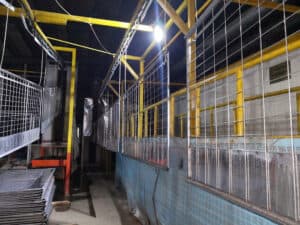
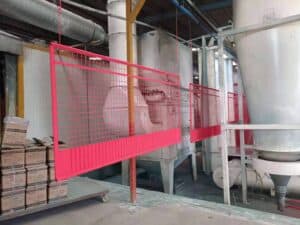
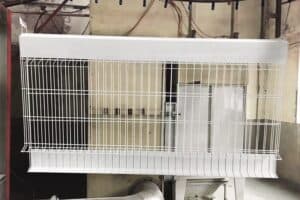
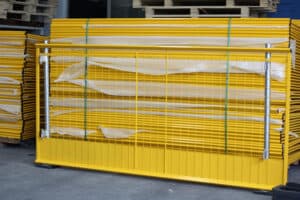
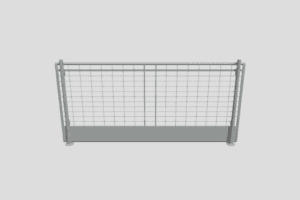
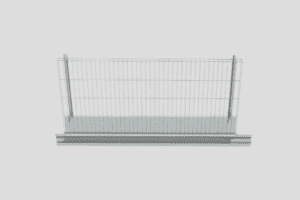
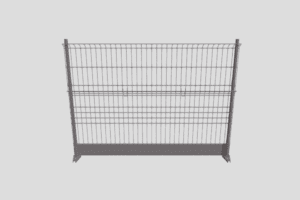
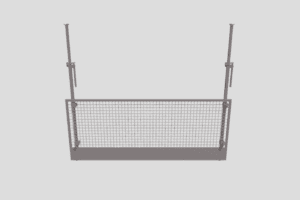
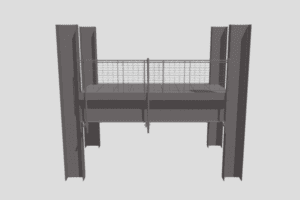
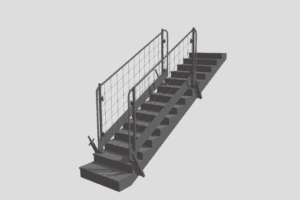
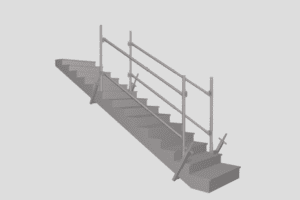
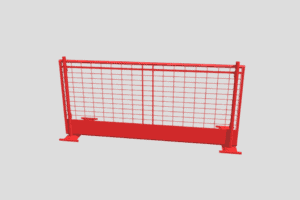
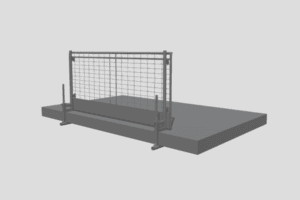
Formwork changes as the concrete frame moves from one floor to the next.
The fixing method can change with the formwork system, while the main barrier and post can continue to be used.

Protection along open slab edges while reinforcement, concrete pouring and finishing work are taking place.
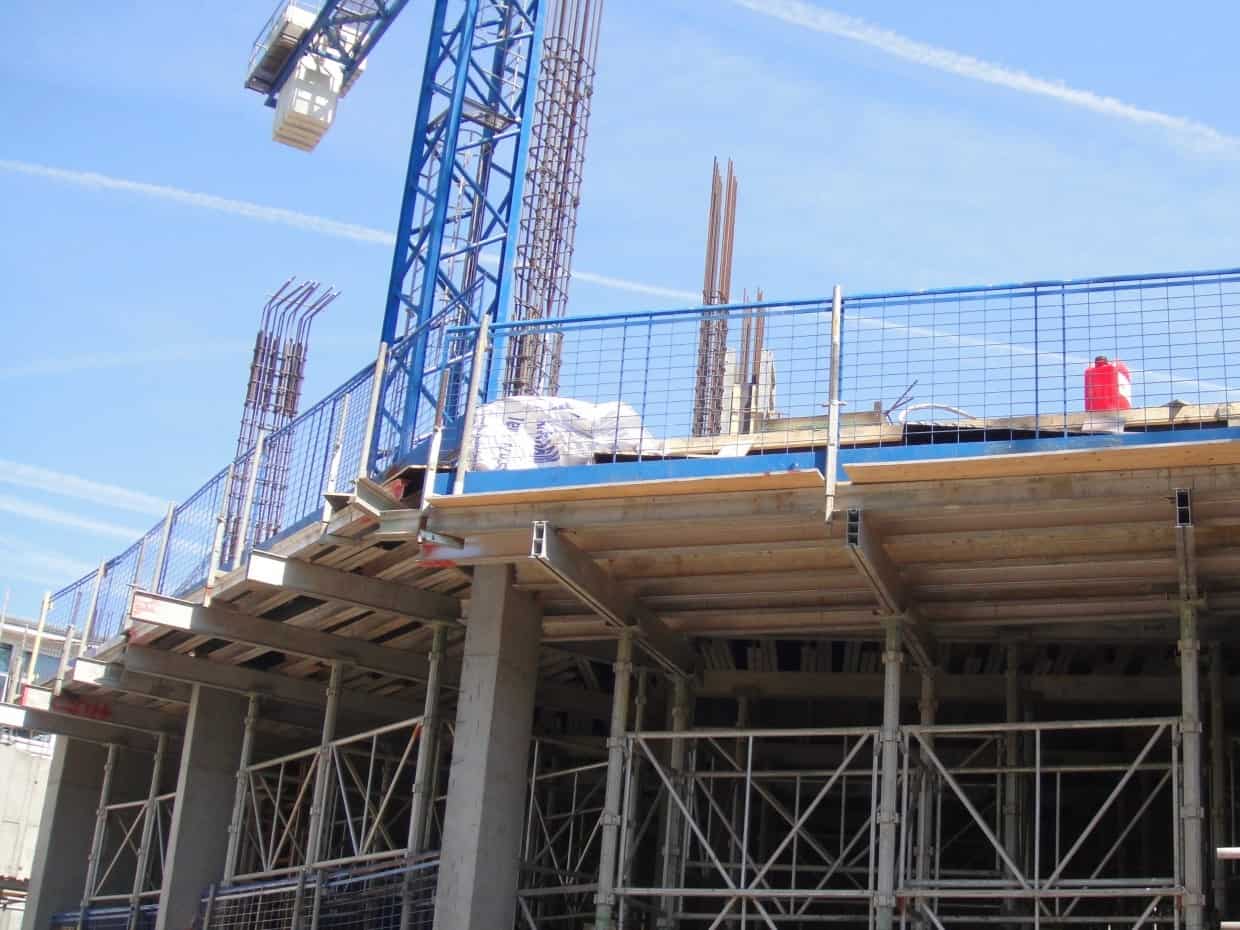
Protection around areas where the formwork deck is still being extended.
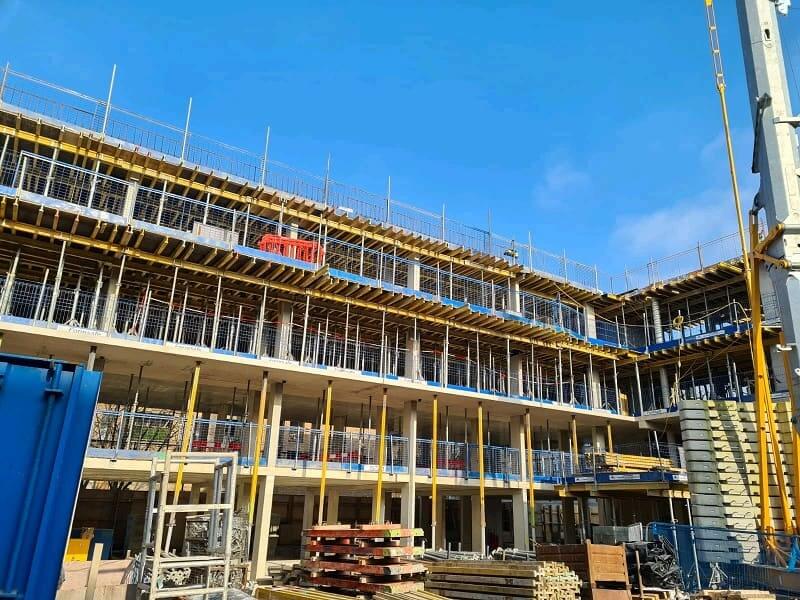
Temporary protection around the outside edge of a formwork deck before the slab is poured.
The exact installation method depends on the beam clamp, but the basic process is similar.
Confirm the beam type, size and fixing position.
Fit the selected clamp onto the wood timber or aluminum formwork beam.
Place the edge protection post into the clamp and secure it.
Fit the mesh barrier between the posts and lock it in position.
Make sure corners, short sections and nearby openings are also protected.
Check the clamps, posts and barriers before work continues on the deck.
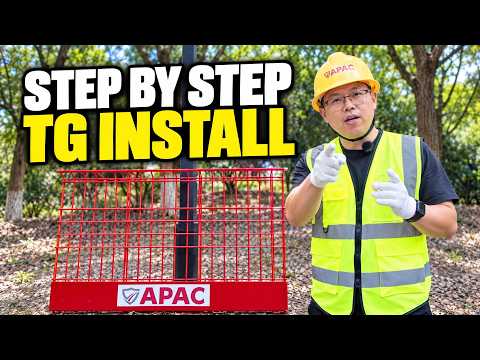
Different formwork systems use different beam sizes and profiles.
If a standard clamp does not fit your product range, we can review your beam drawing, sample or existing system and discuss a suitable attachment.
We can prepare drawings and confirm the main dimensions before production.
Clamps can be reviewed around different timber or aluminium beam profiles where technically suitable.
If you already have barriers or posts, we can check whether a new formwork clamp can work with your existing system.
We can support:
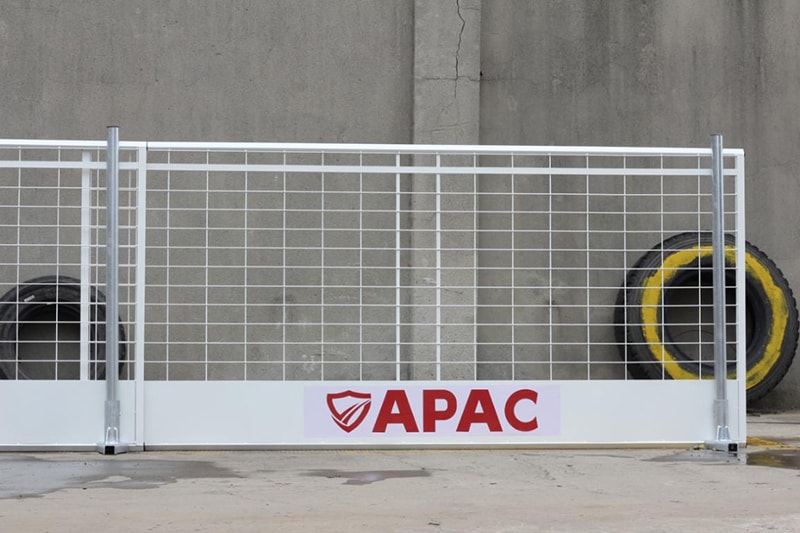
A formwork edge protection system needs the clamp, post and barrier to fit together correctly every time it is installed.
APAC checks the main dimensions and connection points during production, helping reduce fitting problems when the system is installed, moved and used again.
Review the order scope, drawings, product versions and quality requirements before production.
Confirm the approved reference sample, drawing revision and product specification.
Check material dimensions, specifications and available material documentation.
Assemble barriers, posts and attachments to verify system fit and component compatibility.
Check product quantities, accessory quantities and the confirmed bill of materials.
Verify pallet protection, product labels, shipping marks and packaging requirements.
Complete the final release review and retain relevant inspection and shipment records.
Good packaging should protect the products, but it should also make them easier to count, store and move after they arrive.
Barriers, posts, clamps and accessories are checked together before shipment.
This helps reduce the chance of missing parts when the system reaches the warehouse or job site.
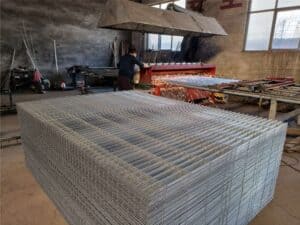
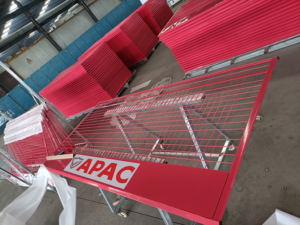
Mesh barriers can be packed in steel stillages for easier forklift handling and storage.
The stillages can also help keep products together when they are moved around the site.
Different clamps, posts and barrier sizes can be marked clearly so they are easier to identify after delivery.

For companies that want to add formwork attachments to an existing edge protection product range.
We can support OEM products, private labels and clamp development.
For companies supplying temporary safety equipment to formwork and concrete contractors.
Timber and aluminium beam clamps can help cover more formwork systems with the same main barrier and post range.
For rental companies that need components that can be installed, removed and used again through repeated floor cycles.
Using common posts and barriers can also make stock management easier.
For contractors that need temporary protection to follow formwork erection, slab pouring, stripping and the next floor cycle.
Browse selected edge protection references from Singapore, Malaysia, the United States, Australia, and New Zealand. Additional projects will be added as this case-study library grows.

Edge protection reference for the 47-storey Affin Bank headquarters development at Tun Razak Exchange in Malaysia.

Temporary edge protection project reference in Auckland, New Zealand, using a modular edge protection configuration for the site.
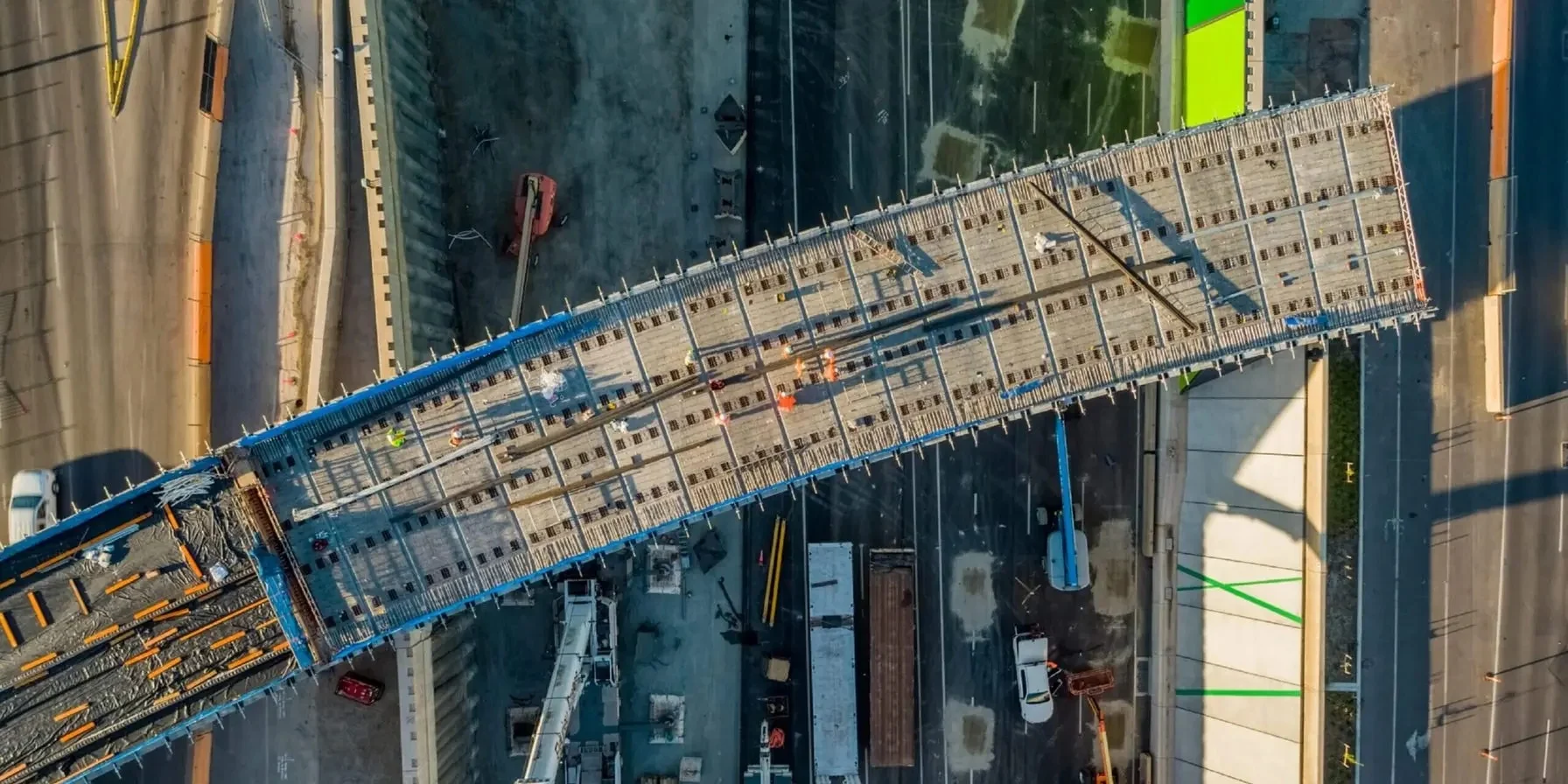
APAC supplied a clamp-based edge protection system for the Flinders Link Project, reducing drilling and supporting fast, reusable bridge protection.
If you need more information before selecting the system, you can also review our technical resources.
Discover the real difference between temporary edge protection and guardrails in construction. Learn how each system works, where…

Introduction Choosing an edge protection system is not just about buying barriers, posts, or guardrails. For contractors, rental c…
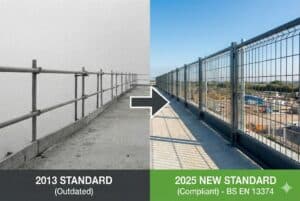
Learn what’s changed from the 2013+A1:2018 version and how it affects scaffold manufacturers, contractors.
It depends mainly on the beam type, beam size and fixing position.
Send us the beam drawing or dimensions and we can help check the suitable option.
Yes.
One of the main reasons for fixing edge protection to the formwork beam is that the system can be installed during the formwork stage, before the finished slab is available as a fixing point.
The H20 clamp is made for timber formwork beams.
The aluminium beam clamp is designed around aluminium beam profiles and can be adjustable within a defined working range.
In a compatible modular system, the same post and barrier can be used with different formwork attachments.
The connection details should be confirmed before ordering.
Yes.
Send us the beam drawing, section size or sample and we can review the fixing condition.
You do not need to choose the clamp before contacting us.
Send us the wood timber or aluminium beam dimensions, formwork drawing, site photo or details of your current edge protection system.
We can check the fixing condition and discuss a suitable system with you.
01 · Send the Information
02 · Check the Fixing Point
03 · Confirm the System
04 · Prepare the Order